
Master Your Weight Loss Through Smart Nutrition
Discover the complete guide to understanding food calories, making informed dietary choices, and achieving your wellness goals with evidence-based nutrition knowledge.
Why Choose Wellnessweight?
Comprehensive Food Database
Access detailed nutritional information for thousands of foods, including calories, macronutrients, vitamins, and minerals. Our database is regularly updated with new products and international foods to support your dietary decisions.
Evidence-Based Articles
Our editorial team provides scientifically-grounded information about nutrition, calorie intake, metabolic health, and sustainable weight management strategies. Learn from trusted nutritional science without marketing claims.
Practical Nutrition Tips
Discover actionable strategies for understanding food labels, planning balanced meals, and making sustainable dietary choices. Our guides focus on practical knowledge to support your wellness journey.
Low-Calorie Options Guide
Explore categorized lists of nutrient-dense, lower-calorie foods across different food groups. Understand which foods provide better nutritional value while supporting your caloric goals.
Educational Resources
Access comprehensive guides covering nutrition fundamentals, macronutrient ratios, micronutrient sources, and how to read nutritional labels. Build your knowledge foundation for informed eating choices.
Community Feedback
Join a community of individuals focused on understanding nutrition and wellness. Share experiences, ask questions, and learn from others' insights about dietary choices and health goals.
Understanding Food Calories and Weight Management
Calories represent the energy content in food, measured in kilocalories (kcal). Understanding how calories work is fundamental to making informed dietary choices. Every food contains a specific amount of energy that your body can use for daily functions, physical activity, and maintaining body tissues.
Weight management involves understanding the balance between caloric intake and energy expenditure. Different foods contain different calorie densities—some provide more calories in smaller portions, while others offer substantial nutrition with fewer calories. This knowledge helps you make choices aligned with your wellness goals.
Our platform provides detailed calorie information alongside other nutritional data, helping you evaluate foods based on complete nutritional profiles rather than calories alone. This comprehensive approach supports sustainable, informed dietary decisions.
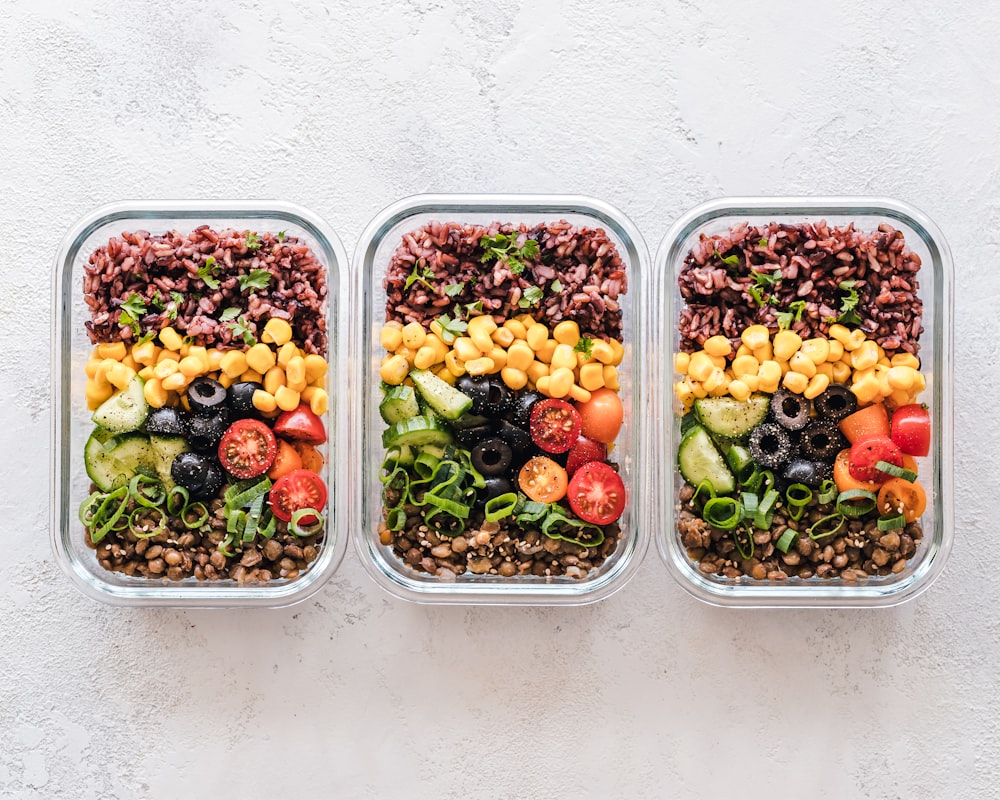
Top Low-Calorie Food Categories
Leafy Greens
Spinach, kale, lettuce, and other leafy vegetables offer exceptional nutritional density with minimal calories. Rich in vitamins, minerals, and fibre while providing substantial volume for satiety.
- 15-25 calories per 100g
- High in vitamins A, K, C
- Excellent fibre content
Cruciferous Vegetables
Broccoli, cauliflower, Brussels sprouts, and cabbage provide substantial nutrition with low caloric content. These vegetables contain bioactive compounds and are highly satisfying.
- 20-35 calories per 100g
- Plant compounds & antioxidants
- Promotes digestive health
Lean Proteins
Chicken breast, fish, turkey, and egg whites deliver substantial protein with relatively low calories. Protein supports muscle maintenance and increases satiety.
- 90-150 calories per 100g
- High protein content
- Rich in B vitamins & minerals
Berries & Fruits
Berries, apples, and citrus fruits provide natural sweetness, fibre, and vitamins with moderate calorie content. Whole fruits offer better satiety than juices.
- 30-60 calories per 100g
- Antioxidants & phytonutrients
- Natural sugars with fibre
Legumes
Beans, lentils, and chickpeas combine protein and fibre in a plant-based package. They provide sustained energy and high satiety despite moderate calorie content.
- 80-120 calories per 100g cooked
- Plant protein & fibre combo
- Micronutrients & minerals
Whole Grains
Oats, brown rice, and whole wheat provide sustained energy with moderate calories. The fibre content supports digestive health and prolonged satiety.
- 100-150 calories per 100g cooked
- Complex carbohydrates
- Sustained energy release
Common Questions About Calorie Counting
Daily calorie needs depend on several factors: basal metabolic rate (BMR), physical activity level, age, sex, and body composition. BMR represents the calories your body uses at rest. Total daily energy expenditure (TDEE) is calculated by multiplying BMR by an activity factor. Standard equations like the Mifflin-St Jeor formula provide reasonable estimates. For accurate assessment, consider consulting with a nutritionist who can evaluate your specific circumstances.
Our food database provides calorie information for most foods, making it easier to track intake once you've determined your target range. Remember that individual needs vary, and factors like metabolism, medical conditions, and medications can influence requirements.
Success Stories from Our Community
"The food database and nutritional information completely changed how I understand what I'm eating. Instead of just counting calories, I learned about macronutrients, micronutrients, and how different foods affect my energy and satiety. The articles helped me make sustainable changes rather than jumping from diet to diet. After three months of using this platform, I've not only reached my weight goal but actually understand nutrition now."
Rachel Morrison
Manchester, United Kingdom
"I was overwhelmed trying to understand nutrition labels and calorie information. This site explains everything clearly. The FAQ section answered questions I didn't even know I had, and the food database makes meal planning so much easier. I finally feel educated about what I'm putting in my body."
James Chen
London, United Kingdom
"The nutritional guides helped me understand the difference between empty calories and nutrient-dense foods. Instead of just restricting portions, I learned how to choose foods that keep me full and satisfied. The platform is genuinely educational without any pushy sales tactics. Highly recommend it."
Sarah Williams
Edinburgh, United Kingdom
"As someone with various dietary preferences, I appreciate how comprehensive the food database is. The information about different cuisines and ingredients helps me make choices that align with both my goals and my lifestyle. The educational approach actually motivates me more than restrictive diets ever did."
Marcus Thompson
Bristol, United Kingdom
Stay Updated with Nutrition Insights
Subscribe to receive our latest articles, food database updates, and practical nutrition tips delivered to your inbox.
We respect your privacy. Unsubscribe at any time.
Ready to Transform Your Nutrition Knowledge?
Explore our comprehensive food database, read evidence-based nutritional articles, and discover practical strategies for sustainable dietary choices. Start your journey toward informed wellness decisions today.